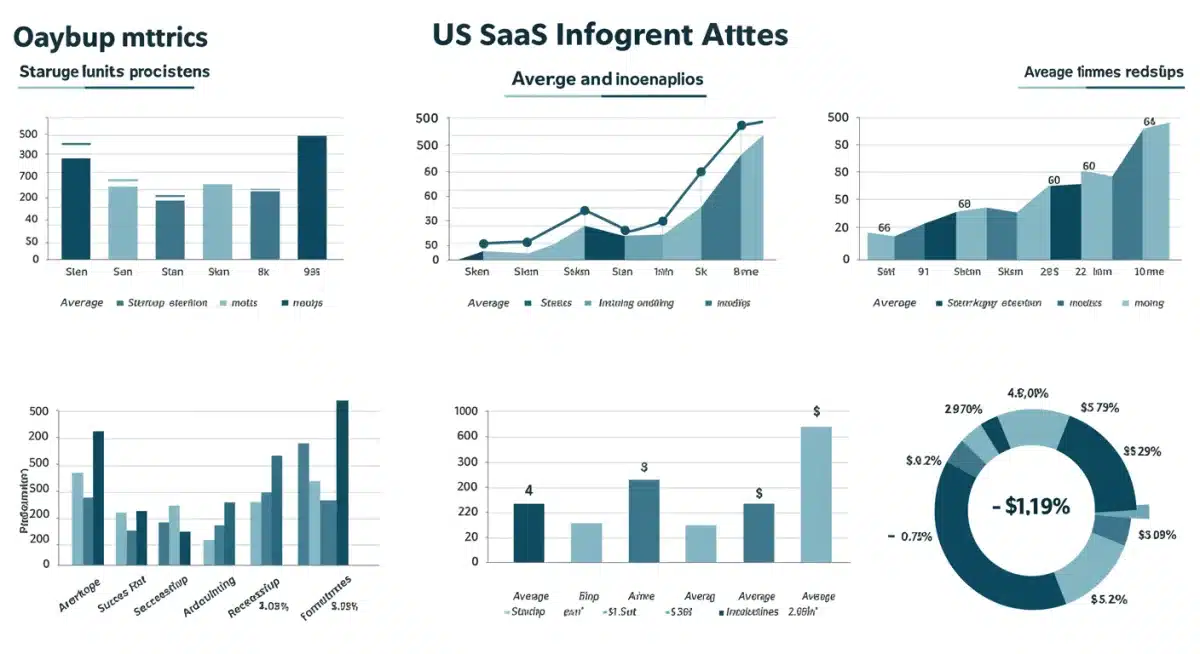
Top 4 US SaaS Incubators 2025: A Data-Driven Review
This article presents a comprehensive 2025 data-driven review and comparison of the top 4 US incubators specifically tailored for SaaS startups, highlighting their unique value propositions and success rates for aspiring entrepreneurs.
By: Eduarda Moura on July 16, 2025
Last updated on: November 28, 2025
A 2025 data-driven review highlights the top 4 US incubators for SaaS startups, evaluating their program structures, funding opportunities, mentorship quality, and post-program success rates to guide aspiring founders.
Navigating the complex landscape of startup incubation can be a game-changer for burgeoning Software as a Service (SaaS) ventures. This Comparison/Analysis: Top 4 US Incubators for SaaS Startups – A 2025 Data-Driven Review offers an in-depth look at the leading programs shaping the future of enterprise software, providing critical insights for founders seeking the right launchpad.
Understanding the SaaS Incubator Landscape in 2025
The SaaS industry continues its explosive growth, with innovations emerging at an unprecedented pace. For early-stage SaaS startups, securing the right support is paramount. Incubators play a crucial role, offering not just capital but also mentorship, networking, and a structured environment to refine business models and accelerate market entry.
In 2025, the demand for specialized SaaS incubators has intensified. Founders are looking beyond generic programs for those that deeply understand the unique challenges and opportunities within the SaaS model, including recurring revenue, customer churn, and scalable infrastructure. This specialized focus significantly impacts a startup’s trajectory.
The Evolving Role of Incubators for SaaS
Incubators have moved beyond simply providing office space and seed funding. Today, they are strategic partners, offering tailored curricula and access to industry-specific resources. This evolution is particularly pronounced in the SaaS sector, where technical expertise and market understanding are critical.
Specialized Mentorship: Access to mentors with deep SaaS experience in product development, sales, and marketing.
Targeted Curriculum: Programs designed around SaaS-specific growth metrics, pricing strategies, and customer acquisition.
Network Access: Connections to potential customers, strategic partners, and follow-on investors within the SaaS ecosystem.
Operational Support: Guidance on legal structures, HR, and financial modeling unique to SaaS businesses.
The selection process for these programs is highly competitive, often prioritizing teams with strong technical backgrounds, clear market insights, and a compelling vision for their SaaS product. Understanding the nuances of each incubator’s offering is key to making an informed decision.
Y Combinator: The Gold Standard for SaaS Accelerators
Y Combinator (YC) remains a titan in the startup world, and its impact on SaaS startups is undeniable. Known for its rigorous program and vast alumni network, YC has been instrumental in launching some of the most successful SaaS companies globally. Their model is highly prescriptive, focusing intensely on rapid iteration and growth.
YC’s approach involves a three-month program culminating in a Demo Day, where founders pitch to a curated audience of investors. The emphasis is on building something users want and scaling quickly. Their investment structure typically involves a standard deal for all accepted companies, making it an accessible option for many.
Key Offerings and Success Metrics
The YC program is structured to provide maximum value in a short period. It includes weekly group office hours, one-on-one mentorship, and a strong community aspect. The post-program support, particularly through their extensive alumni network, is often cited as a significant advantage.
Seed Funding: Initial investment in exchange for equity, providing crucial early capital.
Intensive Mentorship: Guidance from experienced founders and industry experts.
Demo Day Exposure: Unparalleled access to top-tier venture capitalists and angel investors.
Alumni Network: A powerful community for peer support, advice, and potential partnerships.
Data from previous batches consistently shows YC-backed SaaS companies achieving higher valuations and faster growth rates compared to their non-incubated counterparts. Their focus on metric-driven development and strong execution is a hallmark of their success. For SaaS founders, YC offers a pathway to not just funding, but also invaluable credibility and connections.
Techstars: Global Reach and Vertical Expertise
Techstars operates a network of accelerators worldwide, with a strong presence in the US. What sets Techstars apart, particularly for SaaS, is its focus on vertical-specific programs. This specialization allows them to provide highly relevant mentorship and resources tailored to niche markets within the broader SaaS landscape.
Each Techstars program is typically three months long, offering seed funding, mentorship, and access to a global network of entrepreneurs, investors, and corporate partners. Their ‘mentor-driven’ approach emphasizes connecting founders with individuals who can directly impact their success, often leading to strategic partnerships and customer acquisition.
Targeted Programs and Impact on SaaS Startups
Techstars runs numerous programs in the US that are highly relevant to SaaS, often in partnership with large corporations. These partnerships provide startups with unique opportunities to integrate with established enterprises and gain early market validation. Examples include programs focused on FinTech, HealthTech, and Smart Cities, all of which heavily leverage SaaS solutions.
Vertical Integration: Programs tailored to specific industries, offering deep market insights.
Corporate Partnerships: Opportunities to pilot solutions with large enterprises.
Global Network: Access to a worldwide community of mentors, investors, and alumni.
Follow-on Funding: Strong track record of helping startups secure subsequent rounds of investment.
The success of Techstars-backed SaaS companies often stems from their ability to deeply embed within a specific industry vertical, solving real-world problems for established players. This focused approach reduces market risk and accelerates product-market fit, making it an attractive option for founders with specialized SaaS solutions.
500 Global: Diverse Portfolio with a Growth Focus
Formerly known as 500 Startups, 500 Global has evolved into a multi-stage venture capital firm with a strong accelerator component. Their approach is characterized by a diverse portfolio and a significant emphasis on growth marketing and distribution. For SaaS companies, this focus on scaling customer acquisition and revenue is particularly valuable.
500 Global’s programs are typically shorter and more intensive than some others, often running for a few weeks to a couple of months. They provide seed investment, hands-on mentorship, and a curriculum heavily weighted towards actionable growth strategies. Their global footprint also offers startups access to international markets and diverse perspectives.
Growth Hacking and International Opportunities
A core strength of 500 Global for SaaS startups is their expertise in growth hacking and digital marketing. They equip founders with the tools and strategies needed to efficiently acquire and retain customers, a critical component for any scalable SaaS business. Their mentor network includes many specialists in these areas.
Growth Marketing Expertise: Intensive training in customer acquisition, retention, and analytics.
Diverse Portfolio: Exposure to a wide range of startups and industries, fostering cross-pollination of ideas.
Global Network: Potential for international market entry and expansion.
Scalability Focus: Programs designed to help startups build scalable operations and revenue models.
SaaS companies emerging from 500 Global often demonstrate strong initial traction and a clear pathway to scaling their user base. The program’s practical, results-driven curriculum prepares founders to navigate the competitive SaaS landscape with confidence, emphasizing measurable outcomes and efficient resource allocation.
Alchemist Accelerator: Enterprise SaaS and Deep Tech Focus
The Alchemist Accelerator stands out for its exclusive focus on enterprise-focused startups, particularly those in the SaaS and deep tech sectors. Unlike other incubators that might cast a wider net, Alchemist specifically targets ventures that sell to large organizations, offering a highly specialized program designed for complex sales cycles and B2B market dynamics.
Their program provides seed funding and an intensive six-month curriculum, culminating in a Demo Day. Alchemist’s strength lies in its network of corporate partners, venture capitalists, and experienced enterprise sales executives. This network is invaluable for SaaS startups navigating long sales cycles and requiring strategic introductions to potential corporate clients.
Navigating the Enterprise Sales Landscape
For SaaS companies targeting enterprise clients, the sales process is fundamentally different from consumer or SMB markets. Alchemist provides specialized guidance on building robust sales funnels, understanding procurement processes, and crafting compelling value propositions for large organizations. This expertise is a significant differentiator.
Enterprise Sales Training: Specialized curriculum on B2B sales strategies and corporate engagement.
Corporate Network: Direct introductions to decision-makers within large enterprises.
Deep Tech Focus: Support for technically complex SaaS solutions with high barriers to entry.
Strategic Introductions: Connections to investors specifically interested in enterprise software.
SaaS startups from Alchemist are often characterized by their strong understanding of the enterprise market and their ability to secure significant pilot programs or early contracts with large companies. The accelerator’s focused approach ensures that founders are well-equipped to tackle the unique challenges of selling sophisticated software solutions to businesses.
Choosing the Right Incubator for Your SaaS Startup
Selecting the ideal incubator is a critical decision that can significantly influence the future of a SaaS startup. While all top incubators offer funding and mentorship, their specific strengths, network focus, and program structures vary considerably. Founders must carefully assess their own needs, stage of development, and target market to align with the most suitable program.
Consideration should be given to the type of mentorship offered. Is it broad-based or highly specialized to your industry? Does the incubator’s alumni network include successful founders in your specific SaaS vertical? These factors are often more impactful than the initial funding amount.
Factors for Informed Decision-Making
Beyond the immediate benefits, founders should evaluate the long-term implications of joining an incubator. The reputation of the program, the quality of its network, and its track record for helping companies secure follow-on funding are all vital. A well-chosen incubator can provide a significant competitive edge in a crowded market.
Program Focus: Does the incubator specialize in SaaS or your specific niche within SaaS?
Mentorship Quality: Are mentors experienced in scaling SaaS businesses?
Network Strength: Does the network provide access to relevant customers, partners, and investors?
Post-Program Support: What resources are available after the program concludes?
Ultimately, the best incubator is one that complements your team’s strengths, addresses your weaknesses, and provides a clear pathway to achieving your next set of milestones. A data-driven approach to this selection, much like the one presented here, can help founders make a strategic choice that propels their SaaS venture forward.
Incubator
Primary Focus for SaaS
Y Combinator
Rapid iteration, growth, and broad SaaS market access.
Techstars
Vertical-specific SaaS, corporate partnerships, global network.
500 Global
Growth marketing, diverse portfolio, international expansion for SaaS.
Alchemist Accelerator
Enterprise SaaS, deep tech, and B2B sales expertise.
Frequently Asked Questions About SaaS Incubators
What is the primary benefit of joining a SaaS incubator?▼
The primary benefit is accelerated growth through structured mentorship, seed funding, and unparalleled access to industry networks. Incubators significantly reduce the learning curve and connect founders with resources crucial for scaling a SaaS business effectively.
How do US SaaS incubators differ from accelerators?▼
While often used interchangeably, incubators typically support earlier-stage ideas, sometimes even pre-product. Accelerators, like those reviewed, focus on rapidly growing existing startups through intensive, time-bound programs, culminating in a public demo day.
What are the typical equity demands of top US SaaS incubators?▼
Most top US SaaS incubators, including YC and Techstars, typically take a small equity stake, usually between 5-7%, in exchange for initial funding and program participation. This can vary based on the specific program and investment terms.
Is it harder for international SaaS founders to get into US incubators?▼
While competitive, many top US incubators actively welcome international founders. Programs like Y Combinator and Techstars have a strong track record of supporting diverse global teams, often assisting with visa processes and relocation for program duration.
How important is a strong team for SaaS incubator acceptance?▼
A strong, well-rounded team is arguably the most critical factor for acceptance into top SaaS incubators. They look for founders with relevant expertise, a clear vision, strong execution capabilities, and the ability to adapt and learn quickly.
Conclusion
The 2025 landscape for SaaS startups in the US is dynamic and replete with opportunities, significantly bolstered by the robust support systems offered by leading incubators. This data-driven review of Y Combinator, Techstars, 500 Global, and Alchemist Accelerator underscores their distinct strengths and contributions to the entrepreneurial ecosystem. For founders, a strategic partnership with the right incubator can unlock not just capital, but also invaluable knowledge, networks, and a clear path to scalable success in the competitive SaaS market.
Eduarda Moura has a degree in Journalism and a postgraduate degree in Digital Media. With experience as a copywriter, Eduarda strives to research and produce informative content, bringing clear and precise information to the reader.